Joker’s Stash was one of the largest and most infamous dark web carding marketplaces, operating from around 2014 until it voluntarily shut down in early 2021. It was known for selling high-quality stolen payment card details and used blockchain-based domains to evade law enforcement. The closure of Joker’s Stash left a gap in the cybercriminal ecosystem, which was later filled by other marketplaces. Card data on the dark web is a valuable commodity, and it’s often sold on specialized marketplaces known as Card Shops. These platforms are hubs for cybercriminals to buy and sell compromised payment card details. These platforms serve as hubs for cybercriminals to easily buy and sell compromised payment card details, including credit card numbers, CVV codes, expiry dates, and cardholder information.
- Unlike traditional magnetic strips, EMV chips generate unique transaction codes for every purchase, making card duplication exceedingly difficult.
- Criminals engaged in carding acquire this sensitive data through various methods, including phishing attacks, malware, skimming devices at ATMs, and hacking into databases of retailers or financial institutions.
- Forexample, the “Ghost Tap” attack allows cybercriminals torelay stolen NFC payment data to make unauthorized purchases.
- These generated numbers link to your real card but can be limited by merchant, amount, or time.
Joker’s Stash was one of the most lucrative of such carding stores (it’s estimated to have generated over a billion dollars in bitcoin during its term). Yet, while carding trends soared over the past year, the Joker’s criminal enterprise suffered fiscal setbacks. In 2020, customers apparently complained about the “decline in quality” of the site’s stolen data, with concerns raised regarding the validity of the posted information. The site’s operator also apparently contracted covid-19, according to a post on the site’s forum in October. The dark web is undeniably a hotspot for cybercriminals where they assemble for new hacking tactics and planning of new attacks. There are several forums, and as many as others are cornered and closed down, others rise almost immediately.
As the market for contactless payments continues to expand, so does the potential for NFC-related fraud. NFC is also used for identity verification, making it a target for identity theft. Ane-SIM allows users to quickly switch between operators withoutneeding a physical SIM card or a traditional internet connection,making cybercriminal operations extremely mobile. Manycybercriminal activities in China are believed to be part of largerorganized crime syndicates that are state-sponsored,state-encouraged, or state-tolerated. The Chinese government and theChinese Communist Party (CCP) have been accused of supporting cyberoperations that target foreign governments, businesses, andindividuals. Additionally, China has accused other nations, suchas the United States, of engaging in cyberattacks, furthercomplicating the issue.
Catch Crypto Criminals
But with the right preventive strategies, including real-time fraud detection, multi-layered authentication, and bot mitigation, organizations can reduce their exposure. While consumers face identity theft risks, businesses bear the brunt of financial and operational damage caused by carding. In addition to being a welcome further blow against an already struggling criminal enterprise, the story of Yale Lodge offers interesting insights into the dark web carding ecosystem. In this blog, we examine the series of rather unique events that led to this threat actor’s peculiar downfall. It was headed by an apparently Belarus-based cybercriminal using the pseudonym “Elihu Yale” – referencing the former British colonialist of the same name.
Senators, FBI Director Patel Clash Over Cyber Division Personnel, Arrests
Their expertise extends to anonymizing techniques that mask their identities and locations during fraudulent transactions. Additionally, they possess knowledge of cybersecurity, encryption methods, and the dark web. Hundreds of millions of payment card details have been stolen from online retailers, banks and payments companies before being sold for cryptoassets on online marketplaces such as Ferum Shop or Trump’s Dumps. These stolen cards have value because they can be used to purchase expensive items or gift cards, which can then be resold for cash.
Attack Example: Carding Gift Cards
Moreover, it’s essential to provide the company staff with enough training as well as defined objectives of what they should look for to bolster the monitoring efforts. Perhaps that’s their option for generating consistent traffic and a steady influx of new members. Perhaps its strong community is helping the administrators to keep the forum alive after all the attempts by authorities to seize.
Real World Examples Of Carding Affecting Businesses
AI-driven fraud platforms can also help detect bot activity and assess transaction risk in real time. Monitoring for compromised credentials or leaked customer data on the dark web is also essential. Combining these controls with timely threat intelligence allows businesses to respond to new tactics quickly and block fraudulent actors before significant damage occurs.
Consequences For Users Who Purchase And Use Stolen Credit Cards
This often includes a “checker service,” a compromised merchant account they use to run dinky charges through to see if the card is still valid, Krebs says. If someone agrees to use the shop’s checker service instead of a third party, the shop will give a guarantee that at least a portion of the cards are usable for a certain period of time. Digital Shadows says messaging platforms like Telegram and Discord are where some of the actual trading now occurs. Some of the remaining dark web forums are used “solely for marketing purposes or to swap information about the best platforms on which to buy carding-related data,” according to researchers.
Protect your devices with strong passwords and encryption to prevent unauthorized access. They use pseudonymous wallets, privacy coins (like Monero), mixers, chain-hopping, and non-KYC platforms to obscure transaction trails. If you ever decide to explore the dark web, protecting your identity is crucial.
Add this to the much larger volume of credit and debit card fraud and it amounts to substantial losses. Carding is the process of using stolen credit or debit card information to make unauthorized transactions, often to test if the card is active. This need to learn how to operate/build sniffers or build relationships with sniffer/skimmer operators has lessened the appeal of carding.
- Monitoring for compromised credentials or leaked customer data on the dark web is also essential.
- This multi-layered initialization allows the app to evade static analysis and delay execution of malicious components until runtime, effectively hiding the bulk of its behavior from traditional analysis tools.
- Also, the forums feature a wide range of illicit services like money laundering, DDoS attacks, and counterfeit document creation that help them to execute even the most complex schemes without detection.
- Monitoring the deep and dark web is a critical threat intelligence layer that not only authorities worldwide but also users and companies must adapt to.
Ready To Explore Web Data At Scale?
It’s not a “marketplace” as it has discussion topics on RDPs, VPNs, Socks, list of cardable sites etc. It even has a marketplace section where users can buy/sell cards, malware, hacking tools etc. Additionally, a “Service” section exists where you can find users willing to do your bid given enough incentive.
After AlphaBay closed, Abacus Market took its place as the world’s largest underground darknet marketplaces. Abacus Market quickly rose to prominence by attracting former AlphaBay users and providing a comprehensive platform for a wide range of illicit activities. Stolen credit card details can be categorized into different types, making it easier for cybercriminals to exploit them.
Exploring The Dark Underbelly Of Carding Forums
They enjoy the fact that these forums are buried in hard-to-find locations that are difficult to detect. Deep and dark web credit card sites include forums and marketplaces that host the trade and share of illicit content relating to credit cards. The end of June came and went – as of July 20th, Yale Lodge remains banned, though its website is still online. Some users have continued to use it, but have complained that the quality of stolen credit card data has declined drastically since unpaid suppliers had deserted the vendor in droves.
Card Data And Markets
Occasionally, data dumps containing credit card details or other sensitive information are also shared directly within the forums. In the vast underground world of carding forums, where cybercriminals gather to exchange knowledge and stolen data, a beginner might feel overwhelmed by the sheer complexity and variety of illicit activities taking place. One of the fundamental aspects of this underworld is carding, the process of fraudulently obtaining and using credit card information for unauthorized transactions. This section will delve into the basics of carding, shedding light on the techniques used, the risks involved, and the various options available to those venturing into this nefarious realm. Back in the day, carding forums were the busiest of online crime hangouts, selling packs of stolen credit card data to anyone with the cash.
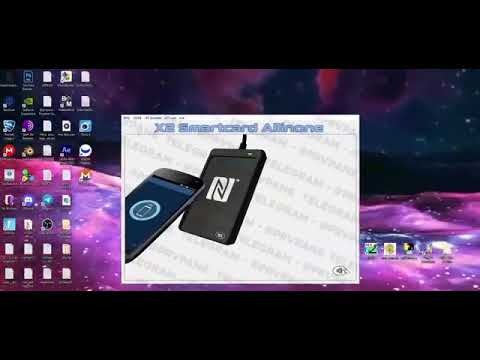
Valued at approximately $15 million, Abacus Market is one of the most lucrative platforms in the dark web ecosystem. Each thread on the forum acts like a marketplace, letting users buy the listed products. There’s no doubt about it being a dark web carding forum as its topics include “PayPal accounts”, “Western Union Transfers”, “Cards with PIN and Chip” and so on. This is because the available threads on the forum include anonymity, carding, cracking, malware, reverse engineering, smartphone hacking etc. In addition, various cybercriminal channels have been identified that offer equipment to orchestrate fraud via NFC, including NFC readers, compatible cards (white plastic), encoders, and other devices. The app utilizes Host Card Emulation (HCE) to mimic a physical ISO NFC smart card by registering a service that extends HostApduService.